June 2, 2026

Finance

Embark on a journey into the fascinating world of online investing with our comprehensive “Investing 101” online course. This course is meticulously crafted to equip beginners with the fundamental knowledge and practical strategies needed to navigate the investment landscape successfully. Learn about various investment vehicles, strategies, and the crucial role of understanding business law. It’s an excellent resource for anyone looking to build a strong foundation in personal finance.

This course goes beyond the basics, offering practical application and strategies for building an investment plan, managing risk, and making informed investment decisions. It covers critical topics such as risk tolerance, diversification, due diligence, and the importance of professional financial advice. We also explore the legal aspects of investing, ensuring you understand the regulations and compliance procedures that govern the market.

Introduction to Online Investing Courses

Online investing courses are a valuable resource for individuals seeking to learn about the world of finance and gain practical skills in managing their investments. These courses offer a convenient and flexible way to acquire knowledge and expertise from anywhere in the world, at a pace that suits individual learning styles. They cater to a broad spectrum of individuals, from complete beginners with no prior financial knowledge to experienced investors looking to enhance their strategies.Online courses typically provide a structured learning environment with interactive elements like video lectures, quizzes, and downloadable resources.

This combination makes learning more engaging and effective, helping participants understand complex concepts in a clear and digestible manner. They are a great way to gain knowledge about investing without the need to attend traditional, in-person classes.

Types of Online Investing Courses

Online investing courses are often categorized by skill level to ensure the content aligns with the learner’s experience. Beginner courses typically cover fundamental investment concepts, such as different asset classes, risk tolerance, and basic portfolio construction. Intermediate courses delve deeper into more sophisticated topics like diversification strategies, specific investment instruments, and fundamental analysis. Advanced courses focus on specialized areas like portfolio management, advanced trading techniques, and risk management strategies.

This structured approach helps individuals progressively build their knowledge and expertise.

Popular Online Platforms

Several reputable online platforms offer investing courses. Some of the most popular include Coursera, edX, Udemy, and specialized financial institutions’ platforms. These platforms provide access to a wide range of courses, taught by experienced professionals and academics.

Comparison of Online Investing Course Platforms

The table below compares three popular online platforms offering investing courses, focusing on features, pricing, and student reviews.

Platform Features Pricing Student Reviews
Coursera Wide range of courses from top universities and institutions, often partnered with industry experts; interactive exercises and projects; often offer certificates upon completion. Pricing varies depending on the specific course and enrollment options. Some courses are free to audit, while others require a paid subscription. Generally positive, highlighting the quality of instruction and the structured learning environment. Some users mention that the course pace can be a bit slow for some.
edX Similar to Coursera, offering courses from top universities and institutions. Strong emphasis on verified certificates and often have a focus on practical application and hands-on exercises. Similar to Coursera, with varying pricing models for courses and subscriptions. Generally positive, emphasizing the credibility of the instructors and the well-structured curriculum. Some users mention a slight lack of real-world application in some courses.
Udemy Offers a vast selection of courses, including many focusing on investing, taught by a broader range of instructors, from both academics and industry professionals. Often have shorter courses and more focused content. Pricing is generally more affordable than Coursera or edX, with many courses available at lower cost points. Reviews vary widely, reflecting the diverse range of instructors and course quality. Positive reviews often highlight the affordability and flexibility, while negative reviews sometimes mention inconsistencies in the quality of instruction.

Key Concepts Covered in Investing 101

This section delves into the fundamental building blocks of investing. Understanding these concepts is crucial for making informed decisions and achieving long-term financial goals. We’ll cover essential investment vehicles, strategies, and crucial financial terms, along with practical ROI calculations.Investment knowledge is not about getting rich quick, but about building a solid foundation for your financial future. Mastering these basics will empower you to navigate the complexities of the market and make sound investment choices aligned with your personal circumstances and objectives.

Fundamental Investment Concepts

Investment decisions hinge on comprehending key concepts such as risk tolerance, diversification, and return expectations. Risk tolerance assesses your comfort level with potential losses. Diversification involves spreading your investments across various assets to mitigate risk. Return expectations represent anticipated gains from your investments. Understanding these concepts will enable you to create a personalized investment strategy that balances risk and potential reward.

Investment Vehicles

Different investment vehicles offer varying degrees of risk and return. This section examines common options.

  • Stocks represent ownership in a company. Fluctuations in company performance directly impact stock prices. For example, a successful product launch could increase stock value, while a recall could decrease it.
  • Bonds represent loans to companies or governments. They typically offer more predictable returns than stocks, though usually lower.
  • Mutual Funds pool money from multiple investors to purchase a diversified portfolio of assets. This diversification reduces risk. The fund manager manages the investments.
  • Exchange-Traded Funds (ETFs) are similar to mutual funds, but trade on stock exchanges like individual stocks, offering greater liquidity.

Investment Strategies

Investment strategies provide frameworks for making investment choices. They are tailored to different risk tolerances and goals.

  • Value Investing focuses on identifying undervalued companies with the potential for future growth. Analysts research and compare company financials to identify mispriced stocks.
  • Growth Investing targets companies experiencing rapid growth, often in emerging sectors. This strategy typically involves higher risk, but potential for high rewards.
  • Dividend Investing focuses on companies that regularly pay dividends to shareholders. This strategy prioritizes income generation over capital appreciation. Dividends are a portion of the company’s profits distributed to shareholders. The company decides on the dividend payout rate.

Essential Financial Terms

A solid understanding of financial terms is vital for comprehending investment concepts.

  • Risk Tolerance reflects your comfort level with potential losses.
  • Return on Investment (ROI) measures the profitability of an investment.
  • Diversification is the practice of spreading investments across various assets to reduce risk.
  • Capital Appreciation is the increase in the value of an investment over time.
  • Liquidity measures how easily an asset can be converted to cash.

Return on Investment (ROI) Calculation

The ROI calculation measures the profitability of an investment.

ROI = (Net Profit / Cost of Investment) – 100%

For example, if you invest $1000 and earn $200 in profit, the ROI is:

ROI = (200 / 1000) – 100% = 20%

This calculation helps you assess the efficiency and effectiveness of your investments.

Importance of Understanding Business Law

Navigating the world of investing requires more than just financial acumen; a solid understanding of business law is equally crucial. Investment decisions often have legal ramifications, and a basic knowledge of relevant regulations and compliance is vital for safeguarding your interests and avoiding potential pitfalls. This section delves into the legal aspects of investing, highlighting the importance of compliance and the potential legal issues investors might face.A comprehensive understanding of business law within the investment context allows investors to make informed decisions, minimizing risk and maximizing returns.

Knowledge of securities laws, fraud schemes, and the roles of financial advisors empowers investors to critically evaluate opportunities and protect themselves from potential harm.

Legal Aspects of Investing

Investment activities are heavily regulated to protect investors and maintain market integrity. Regulations are designed to prevent fraudulent activities, ensure transparency, and promote fair trading practices. Failure to adhere to these regulations can result in severe penalties. Understanding the legal frameworks governing investments is paramount for responsible participation in the market.

Common Legal Issues Investors May Encounter

Investors may face various legal issues, including misrepresentation, breach of fiduciary duty, and disputes over investment performance. Misrepresentation, where an investment professional provides false or misleading information, can lead to significant financial losses. Breach of fiduciary duty occurs when a financial advisor acts in their own self-interest rather than the best interests of the client. Investment disputes often arise from disagreements over investment performance, the terms of agreements, or the actions of investment professionals.

Role of Securities Laws in Protecting Investors

Securities laws are designed to protect investors from fraud and manipulation. These laws mandate disclosure of material information, prohibit insider trading, and establish mechanisms for investor protection. By requiring transparency and accountability, securities laws provide a framework for fair and equitable investment practices. Understanding these laws empowers investors to evaluate the validity and integrity of investment opportunities.

Different Types of Investment Fraud Schemes

Investors need to be aware of various investment fraud schemes, including pump-and-dump schemes, Ponzi schemes, and pyramid schemes. Pump-and-dump schemes involve artificially inflating the price of a stock to encourage others to buy, then selling it at the inflated price. Ponzi schemes operate by paying returns to early investors with funds collected from subsequent investors, rather than from legitimate profits.

Pyramid schemes involve recruiting new members to the scheme, with profits generated primarily from the recruitment of new participants rather than from actual product sales.

Legal Responsibilities of Financial Advisors

Financial advisors have a legal responsibility to act in the best interests of their clients. This includes providing accurate and unbiased information, disclosing potential conflicts of interest, and adhering to ethical standards. Understanding the legal responsibilities of financial advisors is critical for investors to make informed decisions and hold advisors accountable for their actions.

Key Business Laws Impacting Investors

Law Description Impact on Investors
Securities Act of 1933 Regulates the initial sale of securities to the public. Ensures transparency in initial offerings, protecting investors from fraud.
Securities Exchange Act of 1934 Regulates the trading of securities after their initial sale. Maintains market integrity and fair trading practices for ongoing securities.
Investment Advisers Act of 1940 Regulates investment advisors and their activities. Defines the responsibilities of advisors and promotes investor protection.

Course Structure and Curriculum Design

This section Artikels the structure and curriculum for our Investing 101 online course, designed to provide a comprehensive introduction to the world of investing. The course is meticulously crafted to be accessible to beginners while also providing a solid foundation for future learning.The course is divided into modules, each focusing on a specific aspect of investing. This modular approach allows for a structured learning experience, enabling learners to grasp key concepts gradually and apply them effectively.

Each module incorporates interactive exercises, assessments, and supplementary resources to solidify understanding.

Course Modules and Learning Objectives

This section details the key modules of the Investing 101 course, outlining the learning objectives for each.

  • Module 1: Introduction to Investing and Financial Markets – This module introduces the fundamental concepts of investing, defining key terms and explaining different investment vehicles. Learning objectives include defining key financial terms, understanding market dynamics, and recognizing the importance of risk management.
  • Module 2: Asset Classes and Diversification – This module delves into various asset classes, examining their characteristics, risks, and returns. Students will learn about stocks, bonds, mutual funds, and real estate, along with the concept of diversification. Learning objectives include identifying different asset classes, understanding their risks and returns, and recognizing the importance of diversification for portfolio construction.
  • Module 3: Fundamental Analysis and Valuation – This module covers fundamental analysis, emphasizing the importance of evaluating a company’s financial performance and identifying potential investment opportunities. Learning objectives include understanding key financial statements (income statement, balance sheet, cash flow statement), calculating valuation metrics (like Price-to-Earnings ratio), and evaluating company performance using industry benchmarks.
  • Module 4: Technical Analysis and Chart Patterns – This module introduces technical analysis, exploring various chart patterns and indicators used to predict future price movements. Learning objectives include identifying common chart patterns (e.g., head and shoulders, triangles), understanding technical indicators (e.g., moving averages, RSI), and applying technical analysis techniques to make informed investment decisions.
  • Module 5: Portfolio Management and Risk Management – This module explains the importance of creating a personalized investment strategy and managing risk effectively. Learning objectives include constructing a diversified portfolio aligned with personal goals, understanding different risk tolerance levels, and implementing risk management strategies.
  • Module 6: Investing in Different Markets – This module covers various investment markets, like the stock market, bond market, and real estate market, along with their specific characteristics and investment opportunities. Learning objectives include understanding the dynamics of each market, identifying potential investment strategies, and evaluating the suitability of investments for different investors.

Interactive Exercises and Assessments

This section describes the interactive elements included in the course.

  • Interactive Quizzes – Short quizzes after each module will reinforce learning and assess understanding of key concepts.
  • Case Studies – Real-world case studies will allow learners to apply their knowledge to practical situations and analyze investment decisions.
  • Simulated Trading Platforms – Simulated trading platforms will allow students to practice their investment strategies in a risk-free environment, enabling them to gain experience without financial risk.
  • Group Discussions – Online discussion forums will provide opportunities for students to engage with peers and instructors, fostering a collaborative learning environment.

Teaching Methodologies

This section details the teaching methodologies used to deliver the course content.

  • Video Lectures – Concise video lectures will cover core concepts in an engaging manner. Videos will feature real-world examples and explain complex ideas clearly.
  • Interactive Exercises – Interactive exercises, such as quizzes and simulations, will help learners apply their knowledge and practice investment strategies.
  • Real-world Case Studies – Case studies will analyze real-world investment situations, helping learners apply theoretical concepts to practical scenarios.
  • Expert Interviews – Interviews with successful investors and financial professionals will provide valuable insights and practical advice.

Resources and Support

This section highlights the resources and support provided to learners.

  • Dedicated Forum – A dedicated forum will allow learners to ask questions, share ideas, and connect with instructors and peers.
  • Instructor Support – Dedicated instructors will be available to answer questions and provide personalized support to each learner.
  • Comprehensive Learning Materials – Course materials, including supplementary readings, articles, and templates, will enhance the learning experience.
  • Additional Resources – Links to reputable financial websites and relevant industry publications will be provided to learners.

Choosing the Right Online Investing Course

Navigating the vast landscape of online investing courses can be daunting. With numerous options available, selecting the right course is crucial for maximizing learning and achieving investment goals. A well-structured and reputable course can provide the knowledge and tools needed to make informed investment decisions.Choosing a course is not merely about finding something convenient; it’s about selecting a program that aligns with your learning style, investment goals, and the depth of knowledge you seek.

Careful consideration of various factors will help you make an informed decision.

Evaluating Online Investing Courses

To ensure you’re making a wise investment in your education, a critical first step is evaluating the course’s quality. Look for clear and concise course Artikels that detail the specific topics covered. The quality of teaching materials, including video lectures, written resources, and interactive exercises, significantly impacts the learning experience. A comprehensive curriculum should address various investment strategies, risk management techniques, and practical application.

Factors to Consider When Selecting a Course

Several factors play a key role in determining the suitability of an online investing course. Course structure, instructor expertise, cost, and platform features all contribute to the overall learning experience. Understanding these elements is essential for making an informed decision.

  • Instructor Expertise: The qualifications and experience of the instructors are crucial. Look for instructors with proven track records in the financial industry, preferably with certifications and designations relevant to the course’s subject matter. Their experience and knowledge will significantly influence the quality of instruction and the depth of information imparted. For example, a course taught by a Certified Financial Planner (CFP) or Chartered Financial Analyst (CFA) indicates a higher level of expertise.

  • Course Structure and Curriculum: A well-structured course will logically sequence topics, moving from fundamental concepts to more advanced strategies. Look for a curriculum that incorporates practical exercises, case studies, and real-world examples to reinforce learning. A balanced approach covering different investment asset classes (stocks, bonds, real estate, etc.) is highly beneficial.
  • Cost and Value: Assess the course’s cost in relation to the value it provides. Compare the price with the duration, depth of content, and the overall learning experience offered. Consider whether the course includes supplementary materials, access to a community forum, and opportunities for personalized feedback. High costs don’t necessarily translate to superior quality.
  • Platform Features: A user-friendly platform with interactive features enhances the learning experience. Look for features like video playback controls, downloadable resources, and forums for interaction with fellow learners and instructors. The platform should be intuitive and accessible, minimizing technical hurdles.

Checking Credentials and Qualifications

Verifying the credentials and qualifications of the instructors and the course providers is paramount. This step helps establish the legitimacy and expertise of the course. Look for certifications, professional designations, and any other evidence of expertise. For instance, a course offered by a reputable financial institution or educational organization often carries more weight than one from an unknown entity.

Examples of Courses for Specific Investment Goals

Different online investing courses cater to various investment goals. Some courses might focus on beginner-level investment strategies, while others might delve into more complex topics like portfolio management or alternative investments. Research courses that specifically target your investment objectives. For example, courses focusing on retirement planning often incorporate strategies for accumulating wealth and managing retirement income.

Comparing Courses Based on Specific Needs

A crucial aspect of selecting the right course is comparing them based on your individual needs. Create a checklist of your desired learning outcomes and investment objectives. Then, compare different courses against these criteria. Consider the course content, structure, instructor expertise, cost, and platform features to determine which course best suits your needs. For example, if you are a beginner with limited capital, a course focusing on low-cost index funds might be ideal.

Conclusion

In conclusion, our “Investing 101” online course provides a structured and comprehensive learning experience. From the fundamentals to practical application and legal considerations, you’ll gain the knowledge and tools necessary to make informed investment choices. We encourage you to leverage this resource to achieve your financial goals.

Commonly Asked Questions

What are some common investment vehicles covered in the course?

The course covers stocks, bonds, mutual funds, and ETFs. It also explains how these investment vehicles work and their associated risks.

How does the course help me understand investment risk?

The course explains risk tolerance and diversification strategies, helping you understand and manage investment risks effectively. It also covers due diligence before investing.

What is the importance of understanding business law in investing?

Understanding business law is crucial to navigating the legal aspects of investing, including regulations, compliance, and potential legal issues. The course explores investment fraud and the role of securities laws in protecting investors.

What platforms are used for the online course?

The course is offered through a variety of online platforms, providing a user-friendly learning environment with interactive exercises and assessments.
Buying Bitcoin in Australia has become increasingly popular, but navigating the landscape of apps can be tricky. This guide dives deep into the world of Bitcoin buying apps, exploring popular options, security considerations, and the regulatory environment. From understanding the basics to choosing the right app, we’ll equip you with the knowledge to make informed decisions.

This comprehensive resource details the steps involved in purchasing Bitcoin, examines various apps available in Australia, and highlights crucial security measures. We’ll also analyze the regulatory landscape and potential risks associated with Bitcoin trading in the country, providing a complete picture of this exciting but complex financial realm.

Popular Bitcoin Buying Apps in Australia

Bitcoin trading apps have become increasingly popular in Australia, offering a convenient way for individuals to buy and sell Bitcoin. These platforms cater to diverse needs, from novice investors to experienced traders, providing a streamlined user experience. Understanding the features, security, and fees of different apps is crucial for making informed decisions.

Popular Bitcoin Buying Apps in Australia

Several platforms have gained traction in the Australian market for facilitating Bitcoin purchases. Key contenders include established cryptocurrency exchanges and dedicated Bitcoin-focused apps. Each app presents a unique set of features and user experiences.

Key Features and Benefits of Popular Bitcoin Buying Apps

Different apps cater to varying preferences. Some prioritize user-friendliness, while others emphasize advanced trading tools. Understanding these distinctions is important when choosing a platform. Factors like security, transaction fees, and deposit/withdrawal limits also influence the selection process. These features significantly impact the overall user experience.

Factors to Consider When Choosing a Bitcoin Buying App

Several crucial factors influence the optimal choice of a Bitcoin buying app. These include user-friendliness, security measures, transaction fees, and deposit/withdrawal limits. Each app will have a different emphasis on these elements, so it’s important to consider your individual needs.

Security Measures Implemented by Different Apps

Security is paramount when dealing with cryptocurrencies. Reputable platforms implement robust security measures to protect user funds and data. These measures typically include two-factor authentication, encryption protocols, and regular security audits. The level of security implemented by different platforms can vary, so it’s important to research and understand the specific security protocols of each app.

Comparison of Top Bitcoin Buying Apps

App Transaction Fees Deposit/Withdrawal Limits User Experience
CoinSpot Variable, typically 0.5% to 1% Varying limits based on account type and transaction specifics Generally considered user-friendly, with a good selection of educational resources
Binance Variable, can be lower than CoinSpot for larger transactions High limits, suitable for experienced traders Robust platform, but can be overwhelming for beginners due to the vast number of features
Swaps Generally low transaction fees, often competitive Reasonable limits for most users Straightforward and efficient platform, particularly for quick transactions

Note: Transaction fees and limits can vary depending on specific transaction types and the user’s account status. User experience is subjective and may differ among users. This table provides a general overview.

Buying Bitcoin in Australia

Bitcoin’s rising popularity in Australia has led to increased interest in its acquisition and trading. Understanding the regulatory landscape is crucial for both investors and businesses operating in this space. This section delves into the Australian regulatory framework for cryptocurrencies, potential risks, and legal considerations surrounding Bitcoin purchases.The Australian regulatory environment for cryptocurrencies is evolving, and navigating it effectively is essential.

This section Artikels the key aspects to consider when buying Bitcoin in Australia, ensuring compliance and mitigating potential risks.

Australian Regulatory Framework for Cryptocurrencies

The Australian regulatory framework for cryptocurrencies is complex, with various laws and regulations impacting the industry. While there isn’t a single, comprehensive law dedicated solely to cryptocurrencies, several existing regulations apply, requiring careful consideration.

  • The Australian Securities and Investments Commission (ASIC) plays a significant role in regulating financial products and services. ASIC’s oversight extends to cryptocurrencies, particularly those presented as investment products or financial instruments. This means businesses offering Bitcoin as an investment product need to comply with ASIC guidelines.
  • The Australian Taxation Office (ATO) is responsible for taxation matters related to cryptocurrency transactions. Understanding and adhering to the ATO’s guidelines for capital gains tax, income tax, and other relevant taxes is vital for individuals and businesses involved in Bitcoin trading.
  • The Anti-Money Laundering and Counter-Terrorism Financing (AML/CTF) laws mandate that businesses and individuals involved in financial transactions comply with AML/CTF requirements. This includes Bitcoin businesses that must implement robust anti-money laundering measures.

Potential Risks Associated with Buying Bitcoin in Australia

Investing in Bitcoin, like any other investment, carries inherent risks. These risks include market volatility, regulatory uncertainty, and the potential for fraud or scams.

  • Market Volatility: Bitcoin prices fluctuate significantly, making investment decisions challenging. Rapid price swings can lead to substantial gains or losses, and there’s no guarantee of consistent returns. The history of Bitcoin’s price fluctuations is an important aspect to consider.
  • Regulatory Uncertainty: While Australia has established some regulatory framework, it’s still evolving. Changes in regulations could impact how Bitcoin is traded and taxed. The evolving nature of the crypto space means regulatory changes can be unpredictable.
  • Security Risks: Security breaches and hacking incidents targeting cryptocurrency exchanges or wallets are a potential risk. Protecting your Bitcoin holdings is crucial, and appropriate security measures should be implemented.

Legal Considerations for Buying Bitcoin

Several legal considerations apply to buying and selling Bitcoin in Australia. Understanding these aspects is crucial for compliance and risk mitigation.

  • Taxation: The ATO requires reporting and paying taxes on Bitcoin profits. Capital gains tax applies to Bitcoin gains, and reporting requirements are Artikeld in the ATO’s guidelines. The ATO’s stance on cryptocurrency taxation is constantly being updated.
  • Anti-Money Laundering (AML): Complying with AML/CTF regulations is essential. Businesses dealing in Bitcoin must implement measures to prevent money laundering and terrorist financing. Failure to comply can lead to severe penalties.
  • Contract Law: Any agreements related to Bitcoin transactions should be legally sound. This includes clear terms and conditions, and understanding the implications of contracts for both buyers and sellers.

Examples of Compliant and Non-Compliant Practices

Distinguishing compliant from non-compliant practices is essential.

  • Compliant Practices: A compliant Bitcoin exchange would adhere to all relevant regulations, including those set by ASIC, ATO, and the relevant AML/CTF guidelines. This includes proper customer identification procedures and transaction reporting. This practice demonstrates responsibility and commitment to adhering to Australian law.
  • Non-Compliant Practices: A non-compliant practice could involve failing to report transactions for tax purposes, not implementing adequate AML/CTF measures, or misrepresenting Bitcoin as a financial product without the appropriate licensing. This demonstrates a disregard for Australian regulations and can have serious consequences.

Summary Table of Relevant Australian Laws and Regulations

The table below summarizes key Australian laws and regulations impacting Bitcoin trading.

Law/Regulation Description
Australian Securities and Investments Commission (ASIC) Guidelines Regulates financial products and services, including cryptocurrencies presented as investments.
Australian Taxation Office (ATO) Guidelines Governs taxation on cryptocurrency transactions (capital gains, income tax).
Anti-Money Laundering and Counter-Terrorism Financing (AML/CTF) Laws Mandates compliance with measures to prevent money laundering and terrorist financing.

User Experience and Reviews of Bitcoin Buying Apps

Navigating the world of cryptocurrency in Australia can be challenging, particularly for newcomers. Understanding the user experiences and reviews of various Bitcoin buying apps is crucial for making informed decisions. This section delves into the common experiences, complaints, and overall evaluations of popular platforms.

Common User Experiences

User experiences with Australian Bitcoin buying apps vary significantly. Some users find the process straightforward and intuitive, while others encounter difficulties with the platform’s features or customer support. The ease of use, security measures, and customer service responsiveness all play a vital role in shaping the overall experience.

Category Positive Experiences Negative Experiences
Ease of Use Intuitive interfaces, clear instructions, simple navigation. Complex procedures, confusing layouts, lack of clear guidance.
Security Robust security features, secure transactions, verified identities. Insecure websites, lack of data encryption, insufficient protection against fraud.
Customer Support Prompt responses, helpful assistance, readily available channels. Slow response times, unhelpful agents, limited support options.
Transaction Speed Fast processing times, immediate confirmations. Delays in processing, long waiting times, potential transaction failures.

Common User Complaints and Issues

Users frequently voice concerns about various aspects of Bitcoin buying apps. These issues range from technical glitches to customer service shortcomings. Addressing these issues is crucial for improving user satisfaction and trust.

  • Inconsistent transaction processing times: Some users report prolonged delays in completing Bitcoin purchases, leading to frustration and lost opportunities.
  • Complex verification processes: Rigorous verification procedures can deter users, particularly those unfamiliar with the process.
  • Limited customer support options: A lack of readily available support channels can create difficulties for users facing issues.
  • Security concerns: Users often express worries about the security of their personal information and funds when using the app.
  • Inconsistent pricing: Fluctuations in exchange rates and hidden fees can lead to unexpected costs.

Pros and Cons of Different Bitcoin Buying Apps

Comparing different apps reveals distinct strengths and weaknesses. Understanding these contrasts helps users choose the best platform for their needs.

  • App A: Pros – User-friendly interface, quick transactions. Cons – Limited customer support options, some security concerns.
  • App B: Pros – Excellent customer support, robust security features. Cons – Slightly more complex interface, potentially slower transaction times.

User Reviews

User reviews provide valuable insights into the strengths and weaknesses of Bitcoin buying apps. Positive feedback often highlights ease of use and security features, while negative reviews frequently mention issues with customer support and transaction speed.

App Positive Reviews Negative Reviews
App X “Easy to navigate and use. Fast transactions.” “Slow customer support response times. Issues with withdrawals.”
App Y “Excellent security features. Reliable platform.” “Complicated verification process. Hidden fees.”

Buying Bitcoin Generally

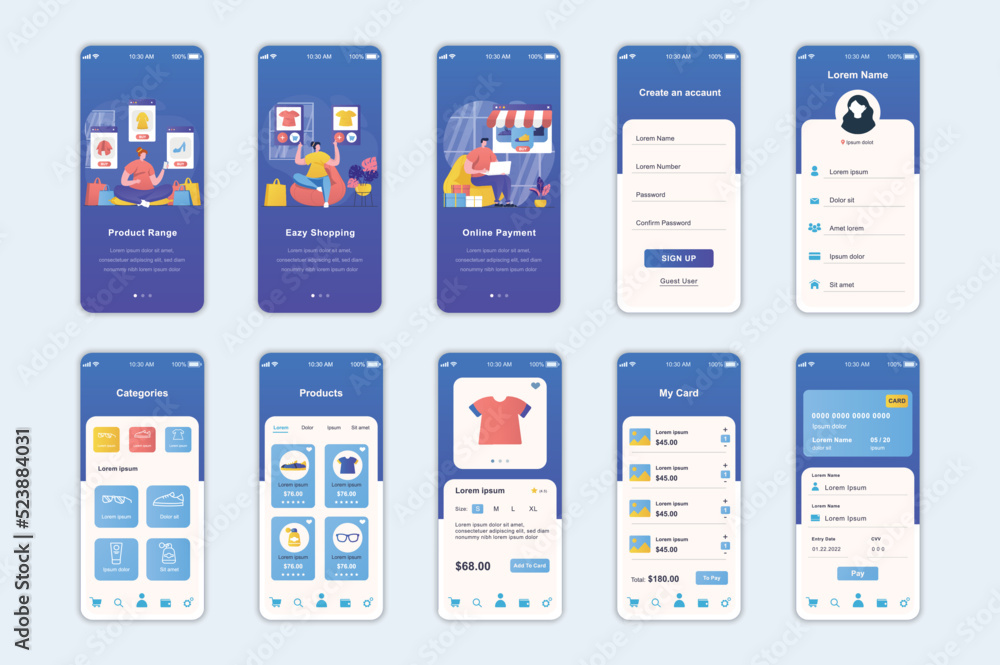
Shopping concept screens set for mobile app template. People choose ...

Purchasing Bitcoin involves navigating a digital landscape with various avenues and considerations. Understanding the process, available methods, and security precautions is crucial for a safe and successful transaction. This overview will provide a comprehensive understanding of buying Bitcoin globally, from initial steps to crucial security measures.Buying Bitcoin is increasingly accessible, but it’s important to approach it with informed decision-making.

Different methods offer varying degrees of convenience, fees, and security levels. This guide will clarify these options and the general steps involved, enabling you to make well-informed choices.

Overview of the Bitcoin Buying Process

The Bitcoin buying process typically involves selecting a platform, verifying your identity, funding your account, and placing an order. The specific steps may vary depending on the chosen method and platform. This process can be streamlined and efficient with proper planning and due diligence.

Methods for Buying Bitcoin Globally

A range of methods are available for purchasing Bitcoin worldwide. These include:

  • Cryptocurrency Exchanges: Exchanges are centralized platforms facilitating the buying and selling of cryptocurrencies, including Bitcoin. They typically offer various trading pairs and support a range of payment methods. Exchanges are often the most common and convenient choice for individuals and institutions.
  • Bitcoin ATMs: These physical machines allow for the purchase and sale of Bitcoin using cash. Bitcoin ATMs are a popular choice for those seeking a more immediate and hands-on transaction experience.
  • Peer-to-Peer (P2P) Platforms: P2P platforms connect buyers and sellers directly, often offering flexibility in terms of pricing and payment methods. These platforms can offer more control but may involve higher risks.
  • Over-the-Counter (OTC) Markets: OTC markets provide a platform for large-scale Bitcoin transactions, often involving institutional investors or high-volume traders. These markets may offer better pricing for large quantities but come with specific requirements and increased complexities.

Common Steps Involved in Purchasing Bitcoin

The general steps for purchasing Bitcoin, regardless of the method, typically include:

  1. Account Creation and Verification: This involves registering on a platform and verifying your identity, often with documents like photo ID and address proof.
  2. Funding Your Account: This entails depositing funds into your account using the supported payment methods.
  3. Placing an Order: This involves specifying the amount of Bitcoin you wish to buy and the price you’re willing to pay.
  4. Confirmation and Settlement: The transaction is confirmed and the Bitcoin is credited to your account after settlement.

Importance of Security Measures During the Process

Securing your Bitcoin purchases is paramount. Robust security measures mitigate risks associated with fraud, theft, and technical glitches. Choose reputable platforms, enable two-factor authentication (2FA), and protect your login credentials. Regularly reviewing transaction history and maintaining awareness of security updates are also crucial.

Steps Involved in Buying Bitcoin from Various Sources

The following table Artikels the general steps involved in purchasing Bitcoin from different sources:

Source Account Creation Funding Order Placement Confirmation
Cryptocurrency Exchanges Online registration, KYC/AML verification Bank transfer, credit/debit card, etc. Specify amount and price Confirmation via email, platform notification
Bitcoin ATMs No account needed Cash deposit Input desired amount of Bitcoin Receipt and Bitcoin confirmation
P2P Platforms Profile creation and verification Transfer via bank account or other method Negotiate price and payment terms with seller Settlement and Bitcoin transfer

Security Considerations for Buying Bitcoin

Buying Bitcoin presents exciting opportunities, but also necessitates a strong focus on security. Understanding the potential risks and implementing robust security measures is crucial to protecting your investment. A secure approach minimizes the chances of losing your Bitcoin to theft or fraud.Bitcoin transactions, while generally secure, are not immune to vulnerabilities. Choosing a reputable exchange and adopting sound security practices are essential steps to safeguarding your digital assets.

Diligence in protecting your personal information and Bitcoin holdings is paramount.

Importance of Security Measures

Implementing robust security measures is vital for safeguarding your Bitcoin investments. A comprehensive security strategy reduces the likelihood of financial loss and maintains peace of mind. By taking proactive steps to protect your Bitcoin, you can confidently engage in the cryptocurrency market.

Potential Security Risks and Vulnerabilities

Several potential risks and vulnerabilities exist when dealing with Bitcoin. Phishing scams, malware infections, and compromised accounts are just a few threats that can lead to significant financial losses. Understanding these threats and adopting preventative measures is critical.

Secure Practices for Storing and Managing Bitcoin Wallets

Safeguarding your Bitcoin wallets is paramount. Employing a combination of robust security measures and best practices can greatly reduce the risk of unauthorized access. This includes strong passwords, regular software updates, and the use of reputable hardware wallets.

Two-Factor Authentication and Its Importance

Two-factor authentication (2FA) adds an extra layer of security to your accounts. It requires two forms of verification – something you know (password) and something you have (a code sent to your phone). This significantly increases the difficulty for unauthorized access, protecting your Bitcoin from theft.

Security Measures Table

This table Artikels various security measures you can employ to protect your Bitcoin holdings.

Security Measure Description Importance
Strong Passwords Use unique, complex passwords for all your Bitcoin accounts. Prevents unauthorized access by brute-force attacks.
Two-Factor Authentication (2FA) Enable 2FA for all your accounts to add an extra layer of security. Significantly increases security by requiring two forms of verification.
Regular Software Updates Keep your software and operating systems updated to patch security vulnerabilities. Addresses known security flaws that could be exploited.
Cold Storage Store a portion of your Bitcoin offline in a hardware wallet. Reduces risk of online attacks and account compromise.
Transaction Monitoring Regularly review your transaction history to identify any suspicious activity. Allows you to quickly detect and respond to unauthorized transactions.
Password Management Use a password manager to generate and store strong, unique passwords. Simplifies password management and reduces the risk of weak passwords.

Alternatives to Bitcoin Buying Apps

Beyond dedicated Bitcoin buying apps, various alternative methods exist for acquiring Bitcoin in Australia. These methods cater to different needs and preferences, each with its own set of advantages and disadvantages. Understanding these alternatives allows for a more comprehensive picture of the Bitcoin acquisition landscape.

Physical Bitcoin ATMs

Bitcoin ATMs provide a convenient, albeit sometimes less regulated, option for purchasing Bitcoin. These machines are becoming increasingly common in Australia, often located in high-traffic areas. Users interact directly with the machine to complete the transaction.

  • Accessibility: Bitcoin ATMs are typically easily accessible in urban and suburban locations, providing a tangible alternative for those not comfortable with online transactions.
  • Convenience: The immediacy of a Bitcoin ATM transaction is attractive, as users can often acquire Bitcoin in real-time. This can be beneficial for those needing a quick purchase.
  • Fees and Limits: Fees associated with Bitcoin ATM transactions can vary significantly depending on the provider. Transaction limits are also often present.
  • Security Considerations: While Bitcoin ATMs offer convenience, the security of these machines is a concern. It’s crucial to choose reputable providers and be aware of potential scams or security breaches.

Peer-to-Peer (P2P) Exchanges

P2P exchanges allow direct transactions between buyers and sellers. This method bypasses the need for a central platform, offering potentially lower fees and greater control over the transaction process.

  • Transaction Control: Users have more direct control over the transaction process, potentially facilitating more customized arrangements.
  • Fees: Fees can be negotiated directly between buyer and seller, potentially lower than those imposed by conventional apps. However, there’s a higher risk of encountering dishonest parties.
  • Accessibility and Convenience: The accessibility and convenience depend heavily on the availability of sellers and the willingness of both parties to transact. Matching suitable buyers and sellers can sometimes be time-consuming.
  • Security: Security relies heavily on the trustworthiness and due diligence of both parties. Thorough verification and transaction monitoring are essential for mitigating risks.

Brokerage Accounts

Some traditional brokerage platforms are integrating Bitcoin trading options, enabling investors to purchase Bitcoin through existing accounts. This method blends the familiarity of traditional financial instruments with the potential of Bitcoin investment.

  • Integration with Existing Infrastructure: This method integrates seamlessly with established financial systems and brokerage accounts, making it convenient for users familiar with these platforms.
  • Regulatory Oversight: Brokerage platforms are subject to regulatory oversight, which can offer a layer of security compared to less regulated P2P exchanges. However, this can lead to stricter KYC (Know Your Customer) procedures.
  • Fees and Accessibility: Fees and accessibility can vary depending on the brokerage platform and their specific Bitcoin trading policies. Accessibility is dependent on the brokerage’s availability in the Australian market.

Other Methods

Other less common methods exist, such as using cryptocurrency exchanges with physical stores or specific financial institutions. These methods often present a combination of convenience and security depending on the specific implementation.

  • Flexibility: These methods provide a unique blend of online and offline transactions, catering to varied preferences.
  • Availability: Availability is often dependent on the specific partnerships or arrangements between the parties involved.
  • Transaction Complexity: Complexity can vary depending on the specific requirements and procedures for each transaction.

Future Trends and Predictions

The Australian cryptocurrency market is evolving rapidly, presenting both opportunities and challenges for Bitcoin buyers. Understanding potential future trends is crucial for making informed decisions about engaging with Bitcoin buying apps. This section explores likely developments, including regulatory shifts, emerging technologies, and the overall trajectory of Bitcoin purchasing in Australia.The Australian market, while showing early adoption of cryptocurrencies, is still in its formative stages.

Future growth will depend on factors such as regulatory clarity, technological advancements, and public perception. Bitcoin buying apps must adapt to these changing conditions to maintain user trust and market share.

Potential Future Regulatory Changes

Australian regulatory bodies are actively monitoring the cryptocurrency space. Future changes are likely to impact Bitcoin buying apps and their operations. These alterations may involve more stringent KYC (Know Your Customer) requirements, stipulations on advertising practices, and potentially, taxation policies specific to crypto transactions.

  • Increased Scrutiny of Exchanges: The government may impose stricter regulations on cryptocurrency exchanges, requiring more detailed reporting and enhanced security measures. This is seen in other developed markets where regulatory bodies have tightened their oversight of cryptocurrency exchanges to protect investors and prevent illicit activities.
  • Taxation Adjustments: The Australian Taxation Office (ATO) may introduce new tax laws for crypto transactions, mirroring changes in other jurisdictions. This might involve categorizing cryptocurrencies for taxation purposes, potentially leading to new reporting requirements for users of Bitcoin buying apps.
  • Enhanced Consumer Protection: The introduction of more consumer protection laws specific to cryptocurrency trading is a distinct possibility. This might involve measures to safeguard against fraud and scams, as well as providing more transparent information to consumers about the risks associated with Bitcoin investments.

Emerging Trends and Technologies in the Bitcoin Space

Innovations in the Bitcoin ecosystem will influence how Bitcoin is bought and used in Australia. These advancements will likely shape the features and functionalities of future Bitcoin buying apps.

  • Layer-2 Scaling Solutions: The use of layer-2 scaling solutions like Lightning Network could significantly improve transaction speeds and reduce costs for Bitcoin users. This development will likely be reflected in the design of future Bitcoin buying apps, potentially providing users with faster and cheaper transaction options.
  • Decentralized Finance (DeFi): The integration of DeFi protocols could open new avenues for using Bitcoin beyond simple purchases. This may lead to Bitcoin buying apps incorporating DeFi-related services or partnerships to expand their functionality.
  • Non-Fungible Tokens (NFTs): The rise of NFTs could influence the way Bitcoin is used as a payment method in specific marketplaces. Bitcoin buying apps may incorporate features related to NFTs or offer specific functionalities for purchasing and selling them.

Potential Future Scenarios for Bitcoin Buying Apps

The evolution of Bitcoin buying apps will depend on the aforementioned trends. Diverse scenarios are plausible, ranging from specialized apps focusing on niche markets to integrated platforms encompassing broader financial services.

  • Specialized Bitcoin Trading Platforms: Apps focusing on advanced trading strategies and high-volume transactions are likely to emerge. These apps will likely cater to experienced traders with advanced features and sophisticated user interfaces.
  • Integrated Financial Platforms: Bitcoin buying apps might integrate with traditional financial platforms to provide a holistic financial experience. This integration could streamline Bitcoin transactions with other financial instruments or services.
  • Decentralized Exchanges (DEXs): The emergence of DEXs could potentially impact Bitcoin buying apps, offering users more control over their transactions. This could lead to new app designs focusing on decentralized functionality.

Predictions for the Future of Bitcoin Buying in Australia

The Australian cryptocurrency market is expected to continue growing, driven by factors like increased awareness, technological advancements, and regulatory developments.

  • Increased User Base: The number of Bitcoin users in Australia is likely to increase, especially among younger demographics, as more educational resources and user-friendly platforms become available.
  • Greater Market Competition: Competition among Bitcoin buying apps is likely to intensify as more players enter the market. This will push apps to innovate and offer better services to retain and attract users.
  • Improved User Experience: The user experience of Bitcoin buying apps will continue to improve, becoming more intuitive and user-friendly as technology evolves.

Last Point

In conclusion, buying Bitcoin in Australia involves careful consideration of available apps, security protocols, and the regulatory framework. This guide has provided a comprehensive overview of the process, highlighting key factors for successful Bitcoin acquisition. Remember to weigh the pros and cons of each app and prioritize security measures throughout the process. Staying informed and conducting thorough research will be vital to your success in this dynamic financial market.

FAQ Section

What are the common misconceptions about buying Bitcoin?

Many believe Bitcoin is risk-free or guaranteed to increase in value. However, it’s crucial to understand that cryptocurrencies, including Bitcoin, are volatile and can experience significant price fluctuations. Thorough research and understanding of the market are essential.

What are some alternative methods for buying Bitcoin in Australia besides apps?

Physical Bitcoin ATMs and peer-to-peer (P2P) exchanges are alternative methods for acquiring Bitcoin. However, each option has its own set of advantages and disadvantages, and users should carefully weigh these factors before making a choice.

What are the deposit/withdrawal limits in most Bitcoin buying apps in Australia?

Unfortunately, there’s no single answer to this question. Deposit and withdrawal limits vary considerably depending on the specific app and individual user circumstances. Users should always check with the particular app they’re interested in to understand their specific limits.

What is the importance of two-factor authentication in Bitcoin buying?

Two-factor authentication (2FA) is a critical security measure. It adds an extra layer of protection by requiring a second verification method beyond a password, significantly reducing the risk of unauthorized access to your Bitcoin accounts.